
HOW HOOKSETT, NEW HAMPSHIRE GOT ITS NAME
Nestled along the Merrimack River between Manchester and Concord, Hooksett, New Hampshire is known today as a charming and convenient spot for commuters, nature lovers, and families. But have you ever wondered how this town with such a unique name came to be called “Hooksett”? The answer takes us back to the 18th century — to river currents, canal locks, and a clever little bend in the river.
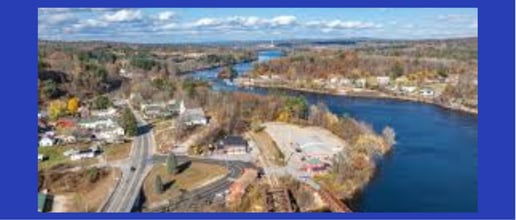
A Bend in the River, a Hook in the Name
The name “Hooksett” is believed to have originated from the term “Hookset,” referencing a hook-shaped bend in the Merrimack River. Early river travelers and loggers passing through the area would refer to that distinctive curve as “the hook.” Eventually, a lock system was constructed there to assist boats and rafts in bypassing the tricky section — a “set” of locks at the hook.
Thus, “Hook-set” became a colloquial nickname for the area among early traders and settlers, and over time, it simply stuck — evolving into the modern-day spelling of “Hooksett.”
A Key Spot on the Merrimack
In the 1700s and early 1800s, the Merrimack River was a major route for transporting timber and goods. Hooksett’s strategic location made it a natural place to stop, rest, and navigate around river obstacles. That activity helped the area grow into a small settlement. By 1822, Hooksett had officially separated from neighboring towns and became its own incorporated town.
From River Stop to Residential Hub
Though it started as a practical pit stop on a river, Hooksett has grown into much more. Today, it’s a thriving community of over 14,000 residents, offering easy access to the larger cities of Manchester and Concord, while still retaining that small-town New England feel. And while most people who live in Hooksett today might not give much thought to its name, it carries a little piece of history — a nod to the river that first put this place on the map.
The story of Hooksett’s name is a simple one, but it’s a great reminder of how geography and community shape identity. So next time you’re driving down Route 3A or walking along the Merrimack, think of the old days — and the hook in the river that started it all.